Seminar | 12/15/2016
Magne Mogstad is interviewed by Peter Nilsson, Assistant Professor at IIES.
Many who get disability insurance have capacity to work, but lack the incentives.
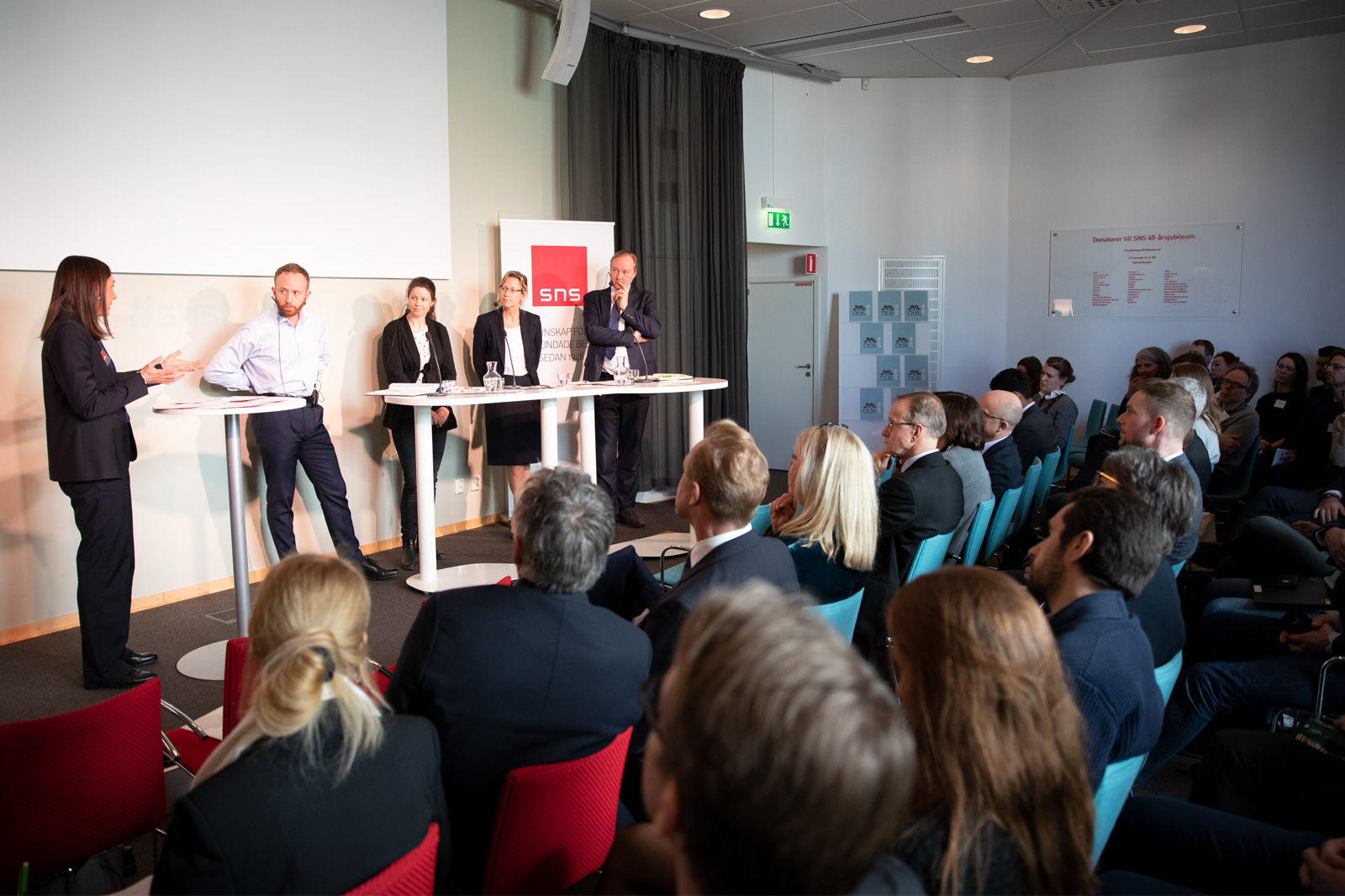
That was one of the conclusions that Magne Mogstad, University of Chicago professor in economics presented, at a SNS seminar December 15, 2016. The discussion about disability insurance (DI) has been increasingly vivid, since many countries have seen a strong and steady increase in disability insurance receipt. This growth poses significant risks to the financing of the insurance itself, but also to the broader social security system.
Norway has introduced a new program where DI recipients that go back to work now are allowed to keep a substantial fraction of their benefits. Mogstad’s research shows that three years after the implementation, the program has led to a significant increase in labor force participation among young DI recipients. These results show that many young recipients actually had the capacity to work, but since they previously would have lost their benefits, many of them chose not to.
Nevertheless, the heterogeneity among the recipients is big. There is for instance no evidence that older recipients start working. Among the younger, the estimates also vary substantially with gender, education, and the local labor market situation.
Mogstad also finds a spillover within families in disability insurance receipt; children whose parents are DI recipients, have a 10 per cent higher risk of becoming recipients themselves later in life. This risk is independent of heredities such as health etc.
Gabriella Bremberg, Head of Department for Analysis and Forecast at the Swedish Social Insurance Agency, stated that we indeed see an increase in newly granted disability pensions among the young in Sweden, but not among the somewhat older;
Today’s level of granted disability pensions among people older than 29 is extremely low, since a significant drop since 2003.
Emma Henriksson, Member of Parliament (The Christian Democrats) and Chair for the Committee on Health and Welfare, concluded that if we want to change our system, we must be careful so it does not affect complement insurances and become contra productive.
Press Contact
press@sns.seOther seminars on Public Finance
 Seminar Public Finance
Social Impact Investment and financing for sustainable development
The private sector is increasingly engaging in sustainable investments and new models are emerging in sustainable development finance. What does the Swedish impact investment market look like? How can we make sure that investments actually deliver positive social, environmental and economic results? Is there a risk of “impact washing”?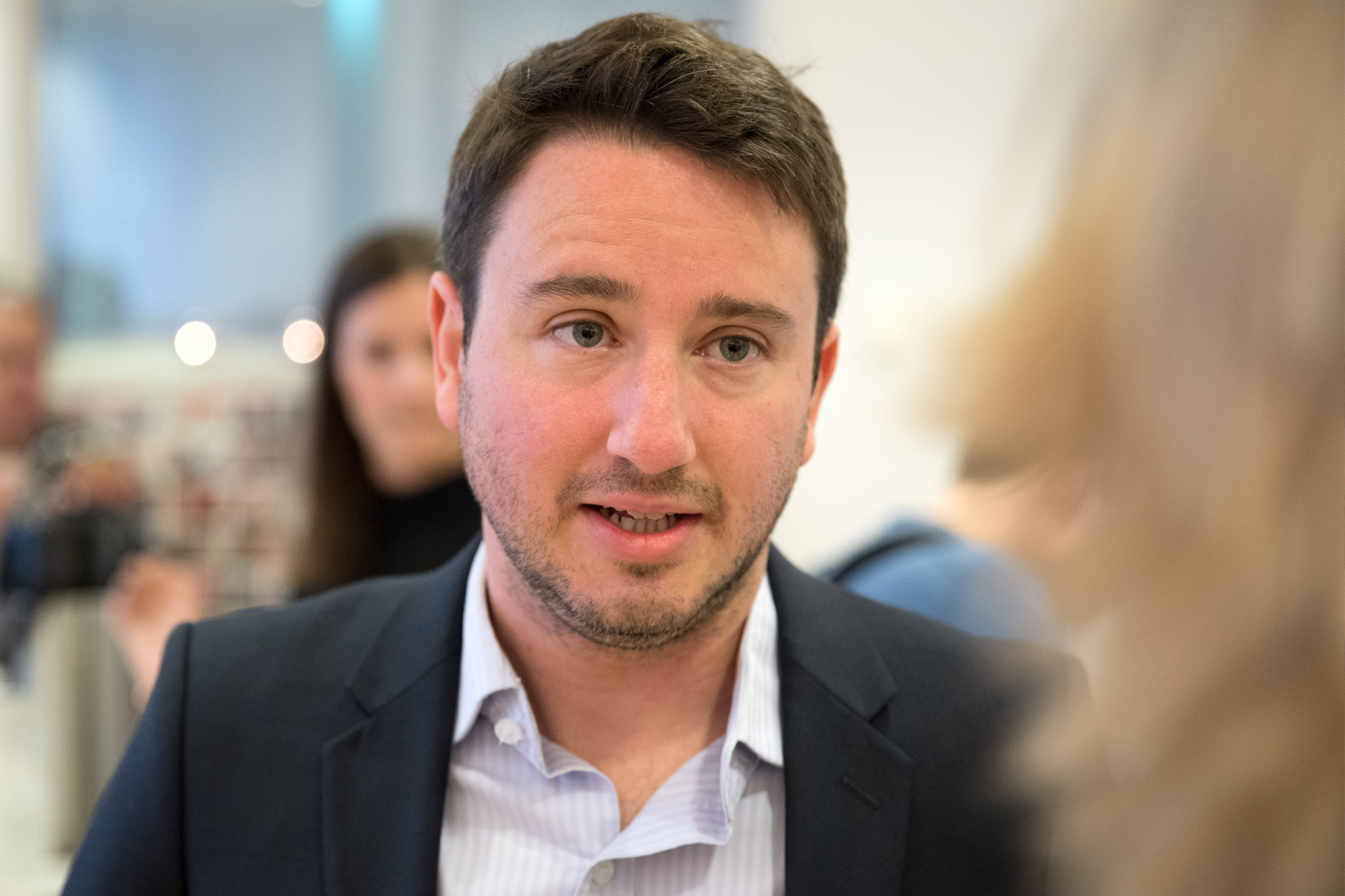 Seminar Public Finance
IIES/SNS International Policy Talks: Gabriel Zucman on tax evasion and inequality
How large is tax evasion at the international level and in Scandinavia? What are the effects for inequality in society? And how... Seminar Public Finance
The future of public service – lessons from BBC