Climate change is one of the most defining challenges of our time. How can climate policy effectively limit emissions in a world shaped by technological shifts and geopolitical upheavals? What is required for the climate transition to be both effective and legitimate? And how can Sweden and the EU contribute to reducing global emissions?
Through the research project SNS Climate, we aim to deepen our understanding of the opportunities and limitations of climate policy – and to shed light on how policy can be designed in a rapidly changing global environment.
Hans Forssman from Skandia is the chair of the project’s reference group. You can find the full list of reference group members further down the page.
Policies for Emission Reductions
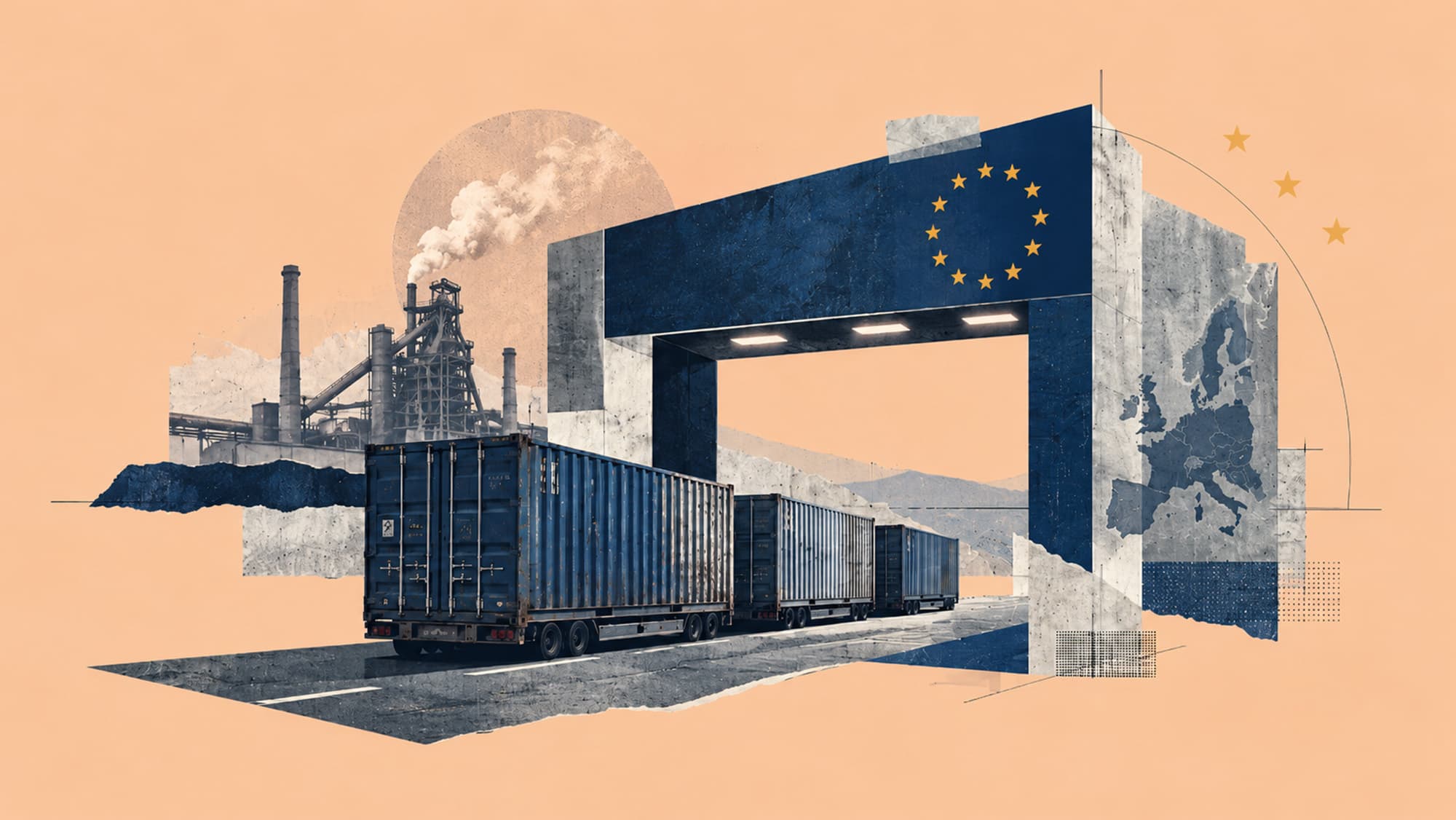
Achieving Sweden’s and the EU’s climate targets requires policy instruments that effectively reduce emissions while being socio-economically sustainable and politically anchored. At the same time, questions arise about how carbon leakage can be prevented and how policy instruments can be made robust in a technically, economically, and geopolitically complex landscape. How can climate policy be designed to reconcile high ambition with competitiveness, legitimacy, and long-term stability? What adjustments are needed as EU regulations evolve, and how should Sweden act within the Union as part of this process?
Conditions for the Transition
The climate transition requires changes across the entire structure of society, from transport and energy to education, public administration, and industrial transformation. What institutional and economic conditions are necessary for the transition to be effective and credible? How can regulatory frameworks and permitting processes be developed to enable the rapid expansion of fossil-free energy without compromising environmental protection? And how can different actors cooperate to manage goal conflicts and distributional effects, while creating long-term stability and trust?
Global Climate Impact
Despite declining emissions in the EU and Sweden, global emissions continue to rise. This places demands on a climate policy that not only focuses on national targets but also contributes to emission reductions in other parts of the world. How can Sweden and the EU contribute to global emission reductions through trade, technology transfer, and diplomacy? What role do international frameworks and climate diplomacy play in promoting the green transition, particularly in developing countries? And how can global climate benefits be taken into account in the design of national and European policy?
Ongoing Studies
Renewable Energy and Permitting in the Nordic Countries
High climate and environmental ambitions require not only political targets, but also legal frameworks and permitting processes that function in practice. The EU Renewable Energy Directive (RED III) aims to accelerate the deployment of renewable energy by streamlining and shortening permitting procedures, while clarifying how climate objectives should be balanced against environmental protection and legal certainty. This report analyses how RED III’s key legal instruments – such as acceleration areas, modified environmental assessment requirements, binding time limits and the presumption of overriding public interest – are implemented across different Nordic permitting systems, and identifies common challenges, legal tensions and potential solutions in the implementation of the directive.
Authors: Helle Tegner Anker, Professor of Law at the Department of Food and Resource Economics, University of Copenhagen; Birgitte Egelund Olsen, Professor at the Department of Law, Aarhus University; Niko Soininen, Professor of Environmental Law at the Center for Climate, Energy and Environmental Law, University of Eastern Finland; Jan Darpö, Professor Emeritus of Environmental Law at the Department of Law, Uppsala University; Aðalheiður Jóhannsdóttir, Professor of Environmental and Natural Resources Law at the Faculty of Law, University of Iceland; and Ole Kristian Fauchald, Professor at the Department of Public and International Law, University of Oslo.
To be published: spring 2027
Rare Earth Elements – Sweden’s Dependence and Vulnerabilities in a New Geoeconomic Era
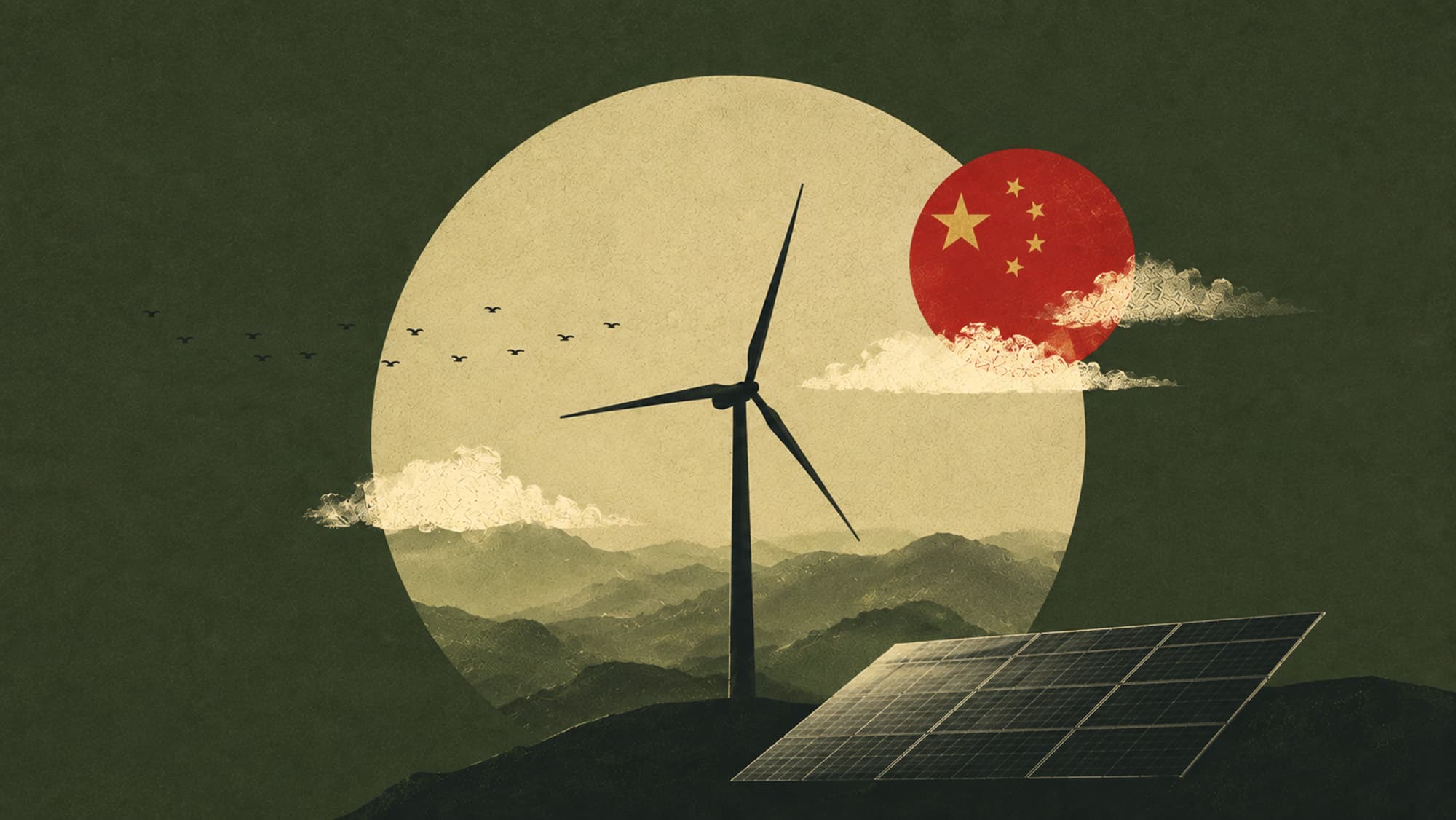
Rare earth elements are essential to the green transition, playing a key role in technologies such as electric vehicles, wind turbines, and advanced electronics. At the same time, global supply chains are heavily concentrated, with China dominating many stages of processing and refining. In this report, Henrik Horn and Fredrik Sjöholm examine Sweden’s dependence on rare earth elements and the vulnerabilities associated with current global supply chains. The report explores how access to critical raw materials affects Sweden’s competitiveness, economic security, and capacity to achieve the green transition. It also discusses how Sweden and the EU can reduce these vulnerabilities while preserving the benefits of open trade and international specialization.
Authors: Henrik Horn, Professor of International Economics at the Research Institute of Industrial Economics (IFN), and Fredrik Sjöholm, Professor of International Economics at the Research Institute of Industrial Economics (IFN).
Launch: Spring 2028
Climate Policy Through Public Procurement
The green transition requires not only new technologies and ambitious climate targets, but also market demand that makes it profitable for firms to invest in sustainable products, services, and production methods. Given the substantial value of the goods, services, and works procured annually by the public sector, public procurement is often highlighted as a potential tool for influencing markets, fostering innovation, and advancing climate objectives.
In this report, Hanna Lindström and Sofia Lundberg examine public procurement as a tool in the green transition. The report investigates the extent to which climate and environmental requirements in public procurement can contribute to emissions reductions and create incentives for firms to develop new solutions. It also discusses the limitations of the instrument and how public procurement compares with other climate policy tools in terms of economic efficiency and practical implementation.
Authors: Hanna Lindström, Assistant Professor of Economics at Umeå School of Business, Economics and Statistics, Umeå University, and Sofia Lundberg, Professor of Economics at Umeå School of Business, Economics and Statistics, Umeå University.
Launch: Spring 2028
Final Report
John Hassler, Professor in Economics at the Institute for International Economic Studies, Stockholm University, will follow the project on an ongoing basis and write a concluding synthesis report during the project’s third year.
To be published: autumn 2028
More reports to be added.
Previous SNS Research Projects on Climate and Energy
SNS has conducted research on climate and energy issues for a long time. The new research project builds on insights from, among others:
Contact persons
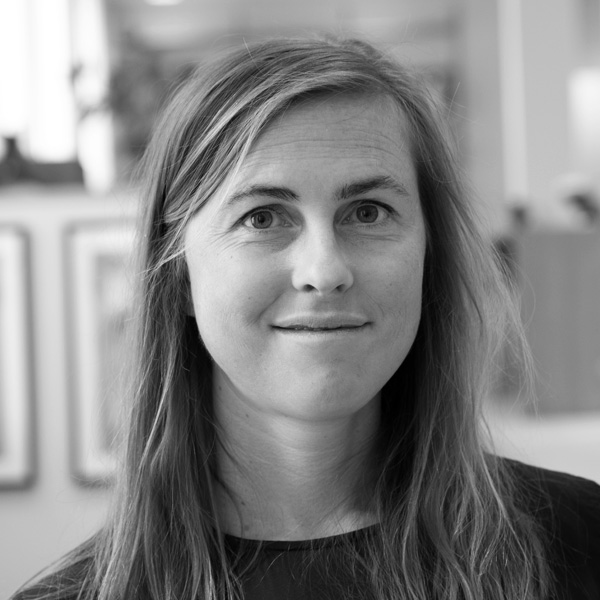
Charlotte Paulie works on research projects related to climate and the economy at SNS. She holds a PhD in economics from Uppsala University.
Research Director, PhD
Charlotte Paulie

Reports and seminars
Completed and published
Reference group SNS Climate
- Atlas Copco
- Ellevio
- Engineers of Sweden
- Flower
- Formas
- Innovation and Chemical Industries in Sweden (IKEM)
- KK-stiftelsen
- LKAB
- Ministry of Climate and Enterprise
- Ministry of Finance
- Nordea
- SCA
- Skandia
- Skanska
- Skellefteå Municipality
- Södra
- Svenska kraftnät
- Swedish Confederation of Professional Employees (TCO)
- Swedish Energy Agency
- Sysav
- Technology Industries of Sweden
- The Federation of Swedish Farmers (LRF)
- Uniper
- Vattenfall
- WWF
























More research programs
SNS Defence Economics
SNS Defence Economics aims to strengthen knowledge of defence financing, defence capabilities and economic resilience.The SNS Preparedness Commission
This project aims to contribute with valuable insights on how to establish and sustain socio-economically efficient preparedness.SNS Democracy Council
The SNS Democracy Council conducts research on the foundations, conditions, and development of democracy.Productivity, Competitiveness, and Sustainable Growth
How can we best ensure the development of tomorrow’s competencies?SNS Infra
How is infrastructure prioritized and financed, and how can the operation and security of these systems be organized?SNS Economic Policy Council
The SNS Economic Policy Council analyses how various key aspects of the economy function over time.Crime and Society
The project focuses on organized crime that has a major impact on society.