Webinar | 10/5/2026
Is China’s climate policy entering a new phase? What political and economic forces are shaping China’s decisions — and what are the implications for the global climate transition, technological development, and the business sector?
China accounts for nearly one-third of global emissions, yet at the same time leads the development of several green technologies. The trajectory of the country’s emissions will be critical in determining whether global warming can be limited in line with the Paris Agreement. Meanwhile, China’s industrial and climate policies are increasingly shaping global trade flows, technological competition, and geopolitical relations.
At a climate summit during the UN General Assembly in September 2025, President Xi Jinping announced that China would, for the first time, set a target for absolute emissions reductions. The ambition is to reduce carbon dioxide emissions by 7–10 percent by 2035, relative to peak emissions levels. Some analysts suggest the peak was already reached in 2025.
How will China’s emissions develop going forward? How do new climate ambitions square with continued investment in coal power? And what role does China seek to play in the global climate transition?
We invite you to join an SNS seminar exploring China’s pivotal role in the global climate transition.
The seminar will be held in English and is organised as part of the research project SNS Climate.
Speakers
Karl Hallding, Chief Analyst for Strategic Intelligence, Vinnova
Alain Lefranc, Vice President of Holding Greater China, Atlas Copco Group
Lauri Myllyvirta, co-founder of the Centre for Research on Energy and Clean Air, and a Non-Resident Senior Fellow with the Asia Society Policy Institute ‘s China Climate Hub
The seminar will be moderated by Charlotte Paulie, Research Director at SNS.
Registration and price
*List of SNS members/Information about membership.
Press Contact
press@sns.seMore from the research program
 Research report Environment, Climate and Energy
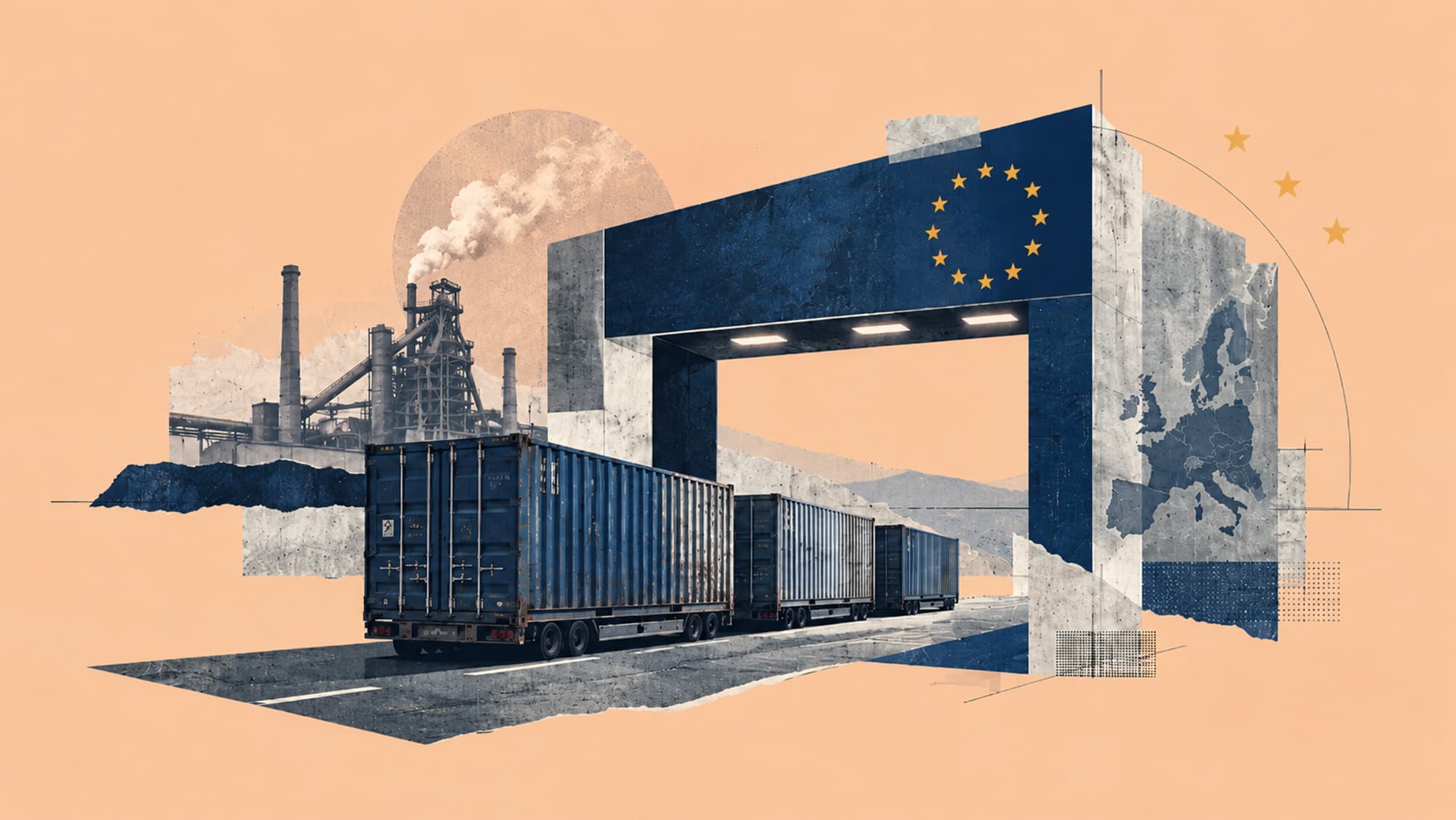
Economic Impacts of CBAM for Sweden and Beyond
The EU is changing how emissions-intensive and trade-exposed industries are protected from the effects of climate policy. Free allocation of emissions allowances...