Research report | 9/27/23
A Technology-Neutral Electricity Market: Increasing Efficiency through Market Design and Network Tariffs
Pär Holmberg, Thomas Tangerås
Pär Holmberg, Thomas Tangerås
Measures resulting in the electricity market becoming more technology-neutral would lead to cheaper electricity in Sweden and reduce the risk of power outages, according to researchers Pär Holmberg and Thomas Tangerås in a new SNS report in which they offer several suggestions for improving the market.
The Swedish electricity market is undergoing rapid change due to an expansion of solar and wind power as well as increasing electrification. These changes introduce challenges in maintaining a stable electricity supply. Controlling the voltage in the electrical grid is becoming more and more difficult, at the same time as the need for it is increasing, as stressed by the researchers in the SNS report “A Technology-Neutral Electricity Market – With an Efficient Electricity Market Design and Grid Fee Structure”.
Electricity production originating from solar and wind power is not plannable, which is why it is not particularly good at controlling the voltage. At the same time, power flows in the electrical grid are changing as electrification is increasing and older forms of electricity production are replaced by new ones. Without appropriate measures, there is an increased risk of having to temporarily disconnect consumers from the grid. There could be power outages throughout the country, says Pär Holmberg, associate professor of economics.
According to the researchers, the government agency responsible for the grid remaining in balance (Svenska Kraftnät) is at a crossroad. It is definitely possible to secure flows and voltage by investing heavily in the electrical grid. However, a recent audit by the Swedish National Audit Office shows that Svenska Kraftnät has experienced difficulties in terms of meeting its investment plans. It would probably be cheaper for society to adapt the production and consumption of electricity. This, in turn, requires drivers motivating actors in the electricity market to alter their behavior.
Technologies causing short-term disturbances in the energy system, such as weather-dependent wind power and large nuclear power plants in the event of an emergency shutdown, are to some extent favored by current regulations. At the same time, partially plannable electricity production such as nuclear power and hydropower, which contribute to controlling the voltage, is disadvantaged, argues Thomas Tangerås, associate professor of economics.
The researchers go on to argue that everyone contributing to balancing the grid should be compensated for this. For example, plannable electricity production should be compensated for making the energy system less vulnerable to disturbances. Furthermore, according to Holmberg and Tangerås, it should be made more expensive to consume – and more profitable to produce – electricity when Sweden is in danger of facing electricity shortages. They also call upon Svenska Kraftnät to review the management of local bottlenecks in the electrical grid and to make the system of penalizing actors that violate agreements stricter.
The report “A Technology-Neutral Electricity Market – With an Efficient Electricity Market Design and Grid Fee Structure” is part of the research project Energy Systems of the Future. It highlights how the energy system should be designed to meet the demands of our climate targets while at the same time offering a secure supply of energy. It focuses on aspects such as how to design regulations and markets to promote an efficient and climate-friendly energy system as well as preparedness when problems arise in the system. The project timeframe is 2021–2023.
Pär Holmberg is an associate professor in Economics, has a PhD in electric power engineering, is a senior research fellow at the Research Institute of Industrial Economics (IFN) and participates in IFN’s research program Sustainable Energy Transition.
Thomas Tangerås is an associate professor of economics, senior research fellow at the Research Institute of Industrial Economics (IFN) and participates in IFN’s research program Sustainable Energy Transition.
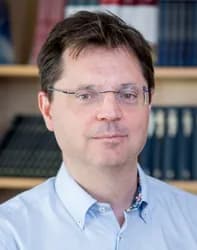
Pär Holmberg, associate professor of economics, PhD in electric power engineering and a senior research fellow at the Research Institute of Industrial Economics (IFN).
Author
Pär Holmberg
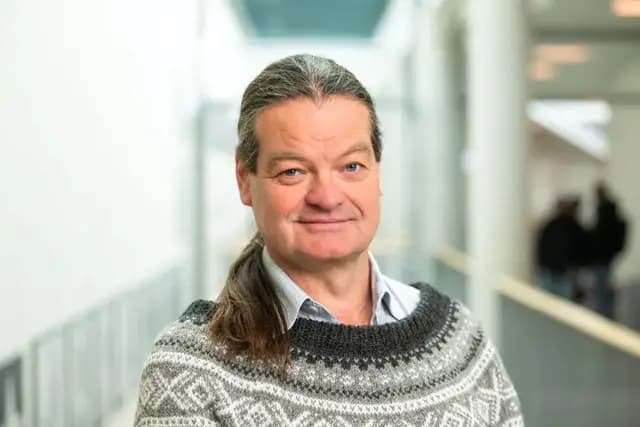
Thomas Tangerås (chair), professor of economics at Mälardalen University and senior research fellow at the Research Institute of Industrial Economics (IFN).
Author
Thomas Tangerås



Stay updated with our latest insights, seminars and research news.