Research report | 5/21/25
The New Mosaic of Income Security in Sweden
Axel Cronert, Lisa Laun, Klara Eklund, Karin Meiton
Axel Cronert, Lisa Laun, Klara Eklund, Karin Meiton
Supplementary benefits provided through collective agreements and union membership play an important role in securing financial protection for many Swedes in the event of illness, unemployment, parental leave, or retirement. The report “The New Mosaic of Income Security in Sweden” provides an overview of how these benefits have evolved and highlights differences between industries and agreement areas. It is the most comprehensive mapping of supplementary benefits to date.
Most employees are covered not only by public welfare systems but also by benefits provided through collective agreements or union income insurance. The report by Axel Cronert, Lisa Laun, Klara Eklund, and Karin Meiton shows that these supplementary benefits form a complex and important part of the welfare system, with significant variation over time and between sectors and insurance areas.
At the same time, the researchers point out that certain groups are not covered. For example, about one in ten private-sector blue-collar workers and one in four private-sector white-collar workers lack collective agreements at their workplaces.
While occupational pensions have steadily increased in importance, other supplementary benefits—especially those related to sickness benefits and unemployment—have diminished in significance in recent years for large groups of workers.
In contrast, the public systems in these areas have actually increased in financial importance for many who have lost their income, says Axel Cronert, Associate Professor of Political Science at Uppsala University. Supplementary benefits are important but do not necessarily pose a threat to the welfare state, he adds.
Research on welfare systems typically focuses almost exclusively on public systems and overlooks these supplementary solutions. The researchers hope the report will contribute valuable data and new insights about a part of the welfare system that is rarely highlighted.
Supplementary benefits play an important role, but the complexity of the systems poses challenges and risks leaving some individuals without the benefits they are entitled to. We hope our report can serve as a foundation for future research and as a basis for policy decisions,” says Lisa Laun, Associate Professor of Economics at the Institute for Evaluation of Labour Market and Education Policy (IFAU).
Key findings from the report include:
“The New Mosaic of Income Security in Sweden” is part of SNS’s research project on Economic Security, which takes a comprehensive approach to welfare systems covering parenthood, illness, unemployment, old age, and economic assistance. The aim is to provide new knowledge and support informed discussions.
Axel Cronert, Associate Professor of Political Science and Lecturer at Uppsala University.
Lisa Laun, Associate Professor of Economics and researcher at IFAU.
Klara Eklund, a research assistant at the Department of Political Science at Uppsala University.
Karin Meiton, a doctoral candidate in Political Science at Uppsala University.

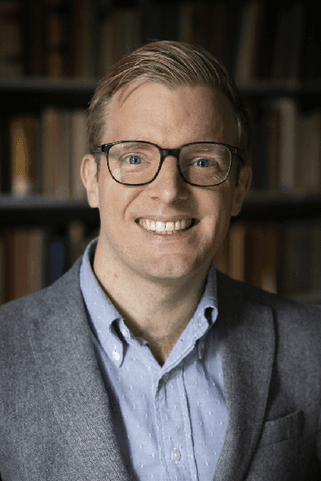
Axel Cronert, Associate Professor of Political Science and Lecturer at Uppsala University.
Author
Axel Cronert

Lisa Laun, Associate Professor of Economics and researcher at IFAU.
Author
Lisa Laun
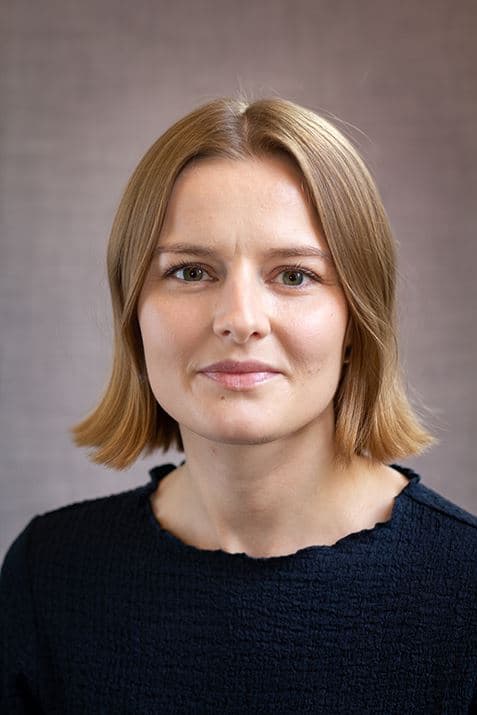
Klara Eklund, a research assistant at the Department of Political Science at Uppsala University.
Author
Klara Eklund

Karin Meiton, a doctoral candidate in Political Science at Uppsala University.
Author
Karin Meiton





Stay updated with our latest insights, seminars and research news.