Seminar | 8/19/2022
For several years, gun violence has increased significantly both in Sweden and in the US. Why is gun violence on the rise and how are we to combat it? We welcome you to join a conversation with professor emeritus Philip J. Cook and researchers from Malmö University.
Participants
Philip J. Cook, ITT/Terry Sanford Professor Emeritus of Public Policy Studies and Professor Emeritus of Economics, Duke University in Durham, North Carolina. 2020 recipient of the Stockholm Prize in Criminology and co-author of the books Gun Violence: The Real Costs and The Gun Debate: What Everyone Needs to Know.
Manne Gerell, Associate Professor of Criminology at Malmö University. Gerell studies the geography of crime and gang violence, focusing on arson, gun violence and street violence.
Mia-Maria Magnusson, PhD in criminology, researcher at Malmö University and police officer. In her thesis, Magnusson mapped the open drug markets in Stockholm and created a model that may be used to assess the likelihood of future gun violence at these locations. As a police officer, Magnusson has extensive experience of the drug trade.
The conversation is moderated by Willy Silberstein, a former journalist at the news desk of Swedish Radio.
Press Contact
press@sns.seMore from the research program
 Research report Democracy and society
Determinants of Recidivism: How Criminal Justice Interactions and the Post-Release Environment Affect Repeat Offending
Over four out of ten of all individuals previously convicted of a crime return to criminal activities within a few years’ time. To reduce the risk of recidivism and the resulting costs to society, it is important to identify what factors causally impact reoffending. This, in turn, offers the basis for more evidence-based criminal justice policies, as argued by economist Randi Hjalmarson in a new SNS report. Research report Democracy and society
Business Owners and Consumers Against the Mafia
Organized crime is becoming a growing problem for Swedish companies. A new SNS report shows that the efforts to combat the mafia in Italy may offer us valuable lessons. In Italy, the so-called “three legs” – political commitment, adequate laws and civil society engagement – have played a key role in terms of successfully combatting the mafia, writes political scientist Carina Gunnarson.- Seminar Democracy and society
IIES/SNS International Policy talks: Jens Ludwig – Can Behavioral Science Reduce Crime?
Early interventions are important to prevent the onset of criminal behavior. But how much is it possible to affect the choices an...  SNS Research Brief Democracy and society
SNS Research Brief 100. Using Behavioral Science to Reduce Crime and School Dropout
Program based on behavioral science leads to young men committing fewer crimes and spending more time at school. This type of program is also more cost-effective from a socio-economic perspective compared to many other preventative measures. This is shown by influential American professor Jens Ludwig in a new SNS report.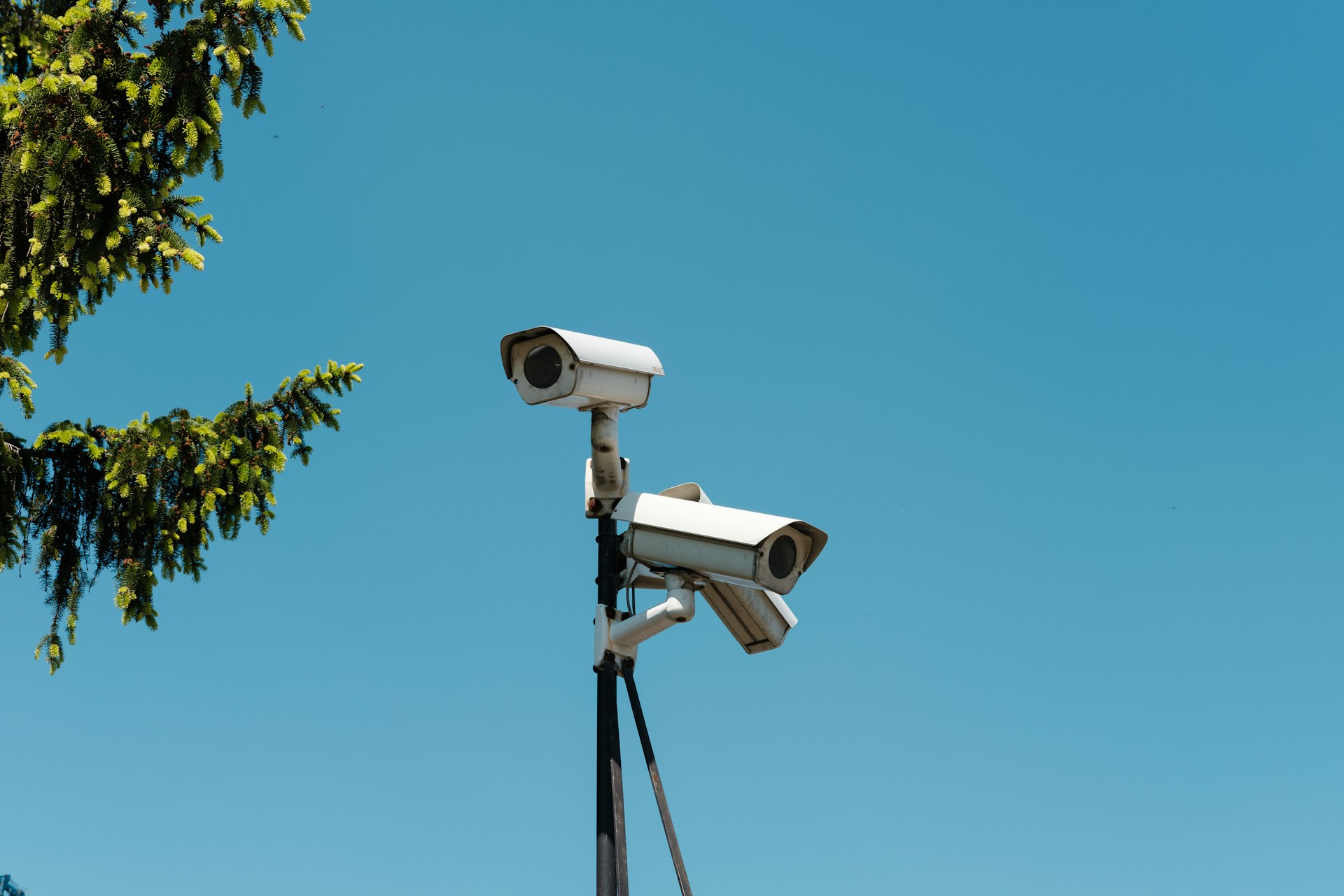 Research report Democracy and society
What is the effect of police interventions and surveillance cameras on crime?
Effective crime prevention requires identifying the effects of specific measures. Surveillance cameras seem to play a useful role in this regard, while more Swedish studies are needed on this topic, according to Mikael Priks in a new SNS report. Research report Democracy and society
Criminal Investigators’ Access to Existing Information in Electronic Communication Devices
It is not clear what the Swedish legislation says with regard to using coercive measures to access digital information. This uncertainty could render criminal investigators less effective, writes Mattias Hjertstedt in a new SNS report. Research report Democracy and society
The Vulnerable State: A Research Review on How Organized Crime Influences the State and Municipalities
There are frequent reports of criminals tricking their way into receiving money from the welfare system. Municipalities may be particularly vulnerable to such crimes, but this also applies to other public actors, according to Carina Gunnarson in a new SNS report presenting a broad overview of how organized crime exerts influence on the Swedish state and municipalities.
Other seminars on Democracy and society
 Seminar Democracy and society
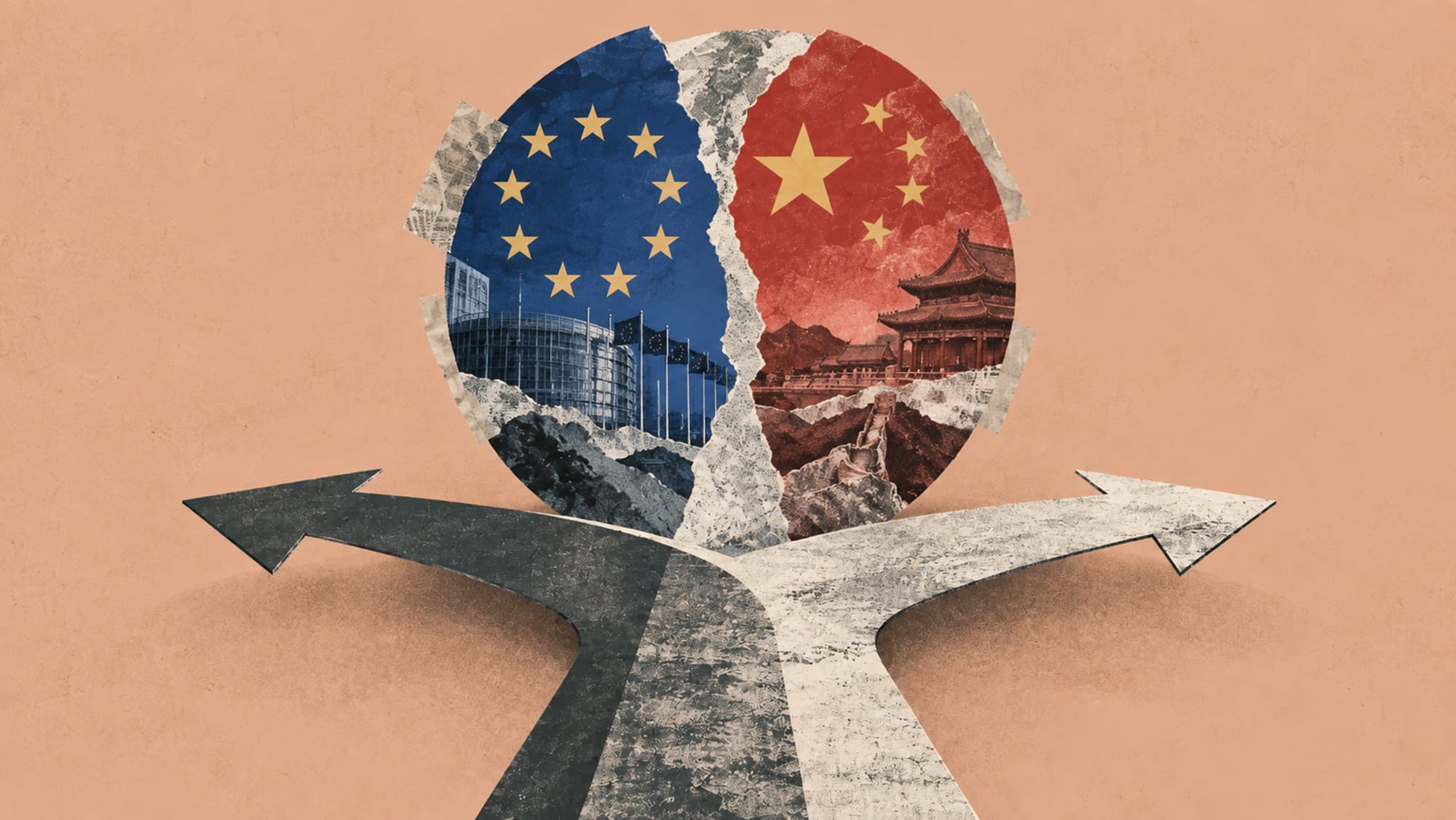
Which Way for EU–China Relations?
Partner, competitor and systemic rival all at once, the EU’s China policy involves difficult trade-offs between trade, security and values. China is one... 28 Aug 2026Seminar Democracy and society
Democracy Under Pressure – Is Sweden an Exception?
Democracy is in retreat across the world, now at its lowest point in nearly half a century. What is driving the decline, and why...- Seminar Democracy and society
How vulnerable are voters to misinformation?
Ahead of every election, concerns resurface about the impact of misinformation on voters. Public debate often highlights the role of the media... - Seminar Democracy and society
On Anti-Money Laundering with Professor Tom Kirchmaier
How can banks improve their ability to detect and prevent money laundering and organized crime? What lessons can Sweden draw from other...