Research report | 2/26/24
What is the effect of police interventions and surveillance cameras on crime?
Mikael Priks
Mikael Priks
Effective crime prevention requires identifying the effects of specific measures. Surveillance cameras seem to play a useful role in this regard, while more Swedish studies are needed on this topic, according to Mikael Priks in a new SNS report.
The rising crime rate in recent years has sparked a debate on which measures are the most effective for combatting crime. However, there is a lack of studies from a Swedish perspective, argues economist Mikael Priks in the SNS report “What is the effect of police interventions and surveillance cameras on crime?”
Measuring how different interventions affect crime is not always easy. First, they are typically carried out in areas where crime is on the rise, which means that the effects of the interventions may be obscured by the underlying trend. Second, a combination of measures is often implemented at the same time. This makes it difficult to determine what actually works, says Mikael Priks, professor of economics.
Studies seeking to address these problems indicate that the Swedish police have been good at reducing hooliganism, crimes committed by professional criminals and crimes in vulnerable areas. However, only a few socio-economic analyses have set out to determine whether carrying out more police interventions is cost-effective and, if so, how they should be designed.
Similarly, it is difficult to determine the effects of surveillance cameras on crime, even though there is some research in this area as well.
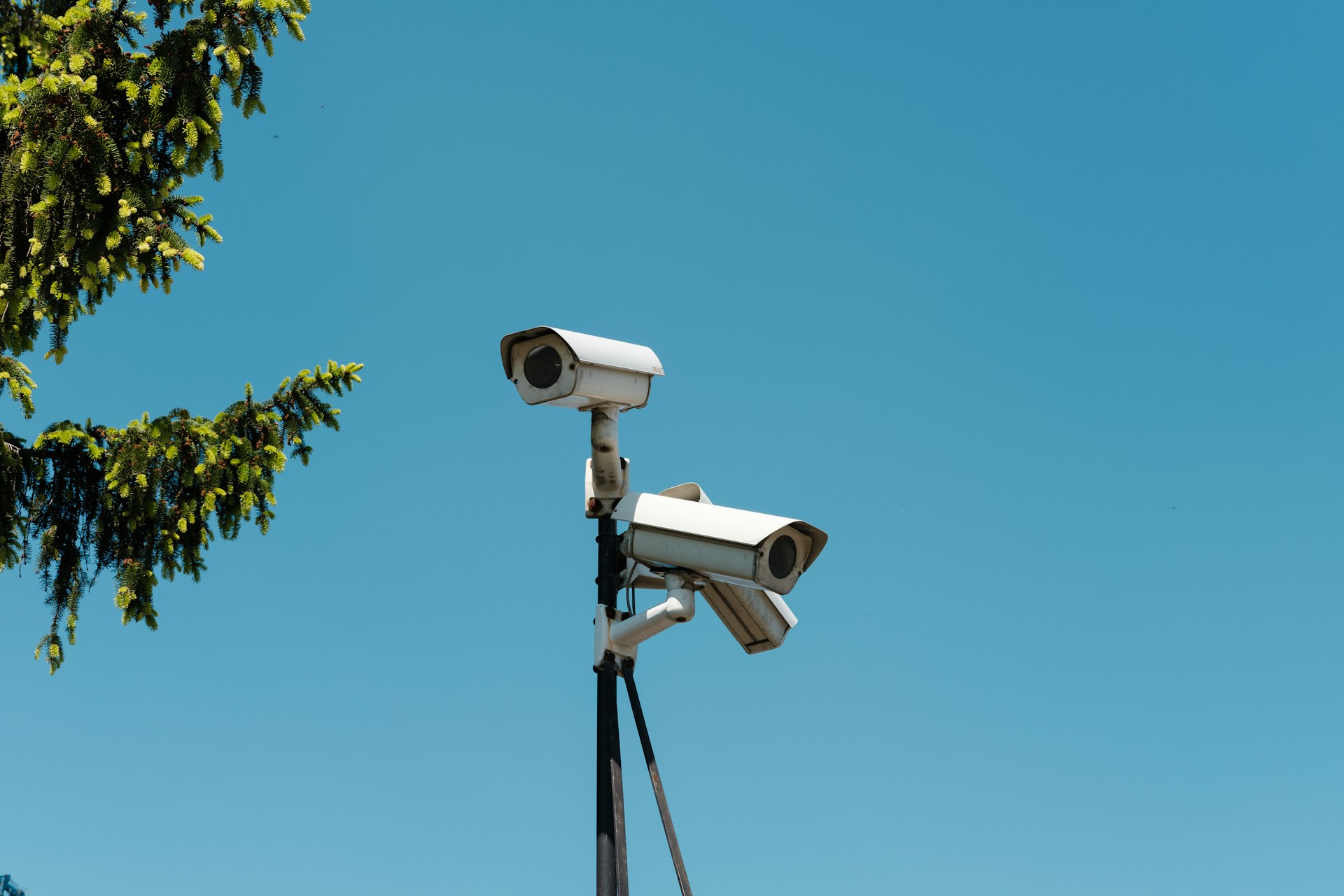
From an international perspective, there are studies in a credible way measuring the effects of surveillance cameras. According to these studies, cameras tend to reduce the number of reported crimes in urban environments by about 20–25 percent, says Mikael Priks.
These results are supported by a study showing that crime in the Stockholm subway system decreased to about the same extent when surveillance cameras were introduced. According to Mikael Priks, however, there are so few studies on Sweden that it is difficult to make any general conclusions.
More research based on Swedish data is needed in this area. Researchers and the Swedish Police Authority should work together to design evaluation methods even before interventions are carried out. This would present decision-makers with a better basis for deciding on effective law enforcement measures, Priks argues.
The report “What is the effect of police interventions and surveillance cameras on crime?” is part of the SNS research project Crime and Society. It runs from 2022 to 2024 and focuses on how to prevent crime and which measures may be effective in this regard.
Mikael Priks is a professor of economics at Stockholm University.





Stay updated with our latest insights, seminars and research news.