Research report | 11/7/23
The Vulnerable State: A Research Review on How Organized Crime Influences the State and Municipalities
Carina Gunnarson
Carina Gunnarson
There are frequent reports of criminals tricking their way into receiving money from the welfare system. Municipalities may be particularly vulnerable to such crimes, but this also applies to other public actors, according to Carina Gunnarson in a new SNS report presenting a broad overview of how organized crime exerts influence on the Swedish state and municipalities.
Sweden is considered one of the least corrupt countries in the world. Still, there are reports of how criminal gangs infiltrate government agencies, operate companies in the welfare sector and exploit social insurance systems. This contributes to the welfare system making incorrect payments annually amounting to SEK 13–16.3 billion. In the SNS report “The Vulnerable State: A Research Review on How Organized Crime Influences the State and Municipalities”, political scientist Carina Gunnarson adopts a broad perspective on how the state and municipalities are influenced – or potentially influenced – by organized crime. She also offers examples of sectors that are particularly vulnerable at the local level.
Government agencies at the state level describe this type of crime as a threat to the system as a whole, while there are obvious vulnerabilities at the municipal level as well. A large portion of public sector resources are distributed locally, where there is often less control and media coverage compared to the national level. In addition, there is basically no research on how this type of crime affects municipalities, at least not in Sweden, says Carina Gunnarson, associate professor of political science.
Criminals may benefit from the transparency and accessibility traditionally seen as preventing corruption in public administration, Gunnarson argues. In the report, she proposes measures based on research on organized crime ranging from the Swedish town of Södertälje to southern Italy.
According to Gunnarson, managers and politicians must lead the efforts to fight this type of crime. In cases where civil servants are subject to pressure and threats, decisions may, for example, need to be shifted from individual public officials to boards. The nomination committees in political parties also play an important role here in terms of ensuring that their parties are not infiltrated. Another method may be to carry out background checks of employees. In addition, Gunnarson points out, early action is very important.
In the case of Södertälje, people only reacted once crime had started to become a real problem. The police saw signs of these problems already in the late 1990s, but it was not until a double homicide in 2010 that the government agencies started to take decisive action against crime, says Carina Gunnarson.
Preventive work is also needed in the long term to increase the resilience of society. This, Gunnarson argues, involves broad efforts to counteract values and habits promoting organized crime.
Furthermore, the research community needs to contribute with increased knowledge on how to make the Swedish social systems less vulnerable.
The report “The Vulnerable State: A Research Review on How Organized Crime Influences the State and Municipalities” is part of the SNS research project Crime and Society. It runs from 2022 to 2024 and focuses on how to prevent crime and which measures may be effective in this regard.
Carina Gunnarson is an associate professor of political science and affiliated with the Department of Government at Uppsala University. Her main position is as a researcher at the Swedish Defence Research Agency (FOI).

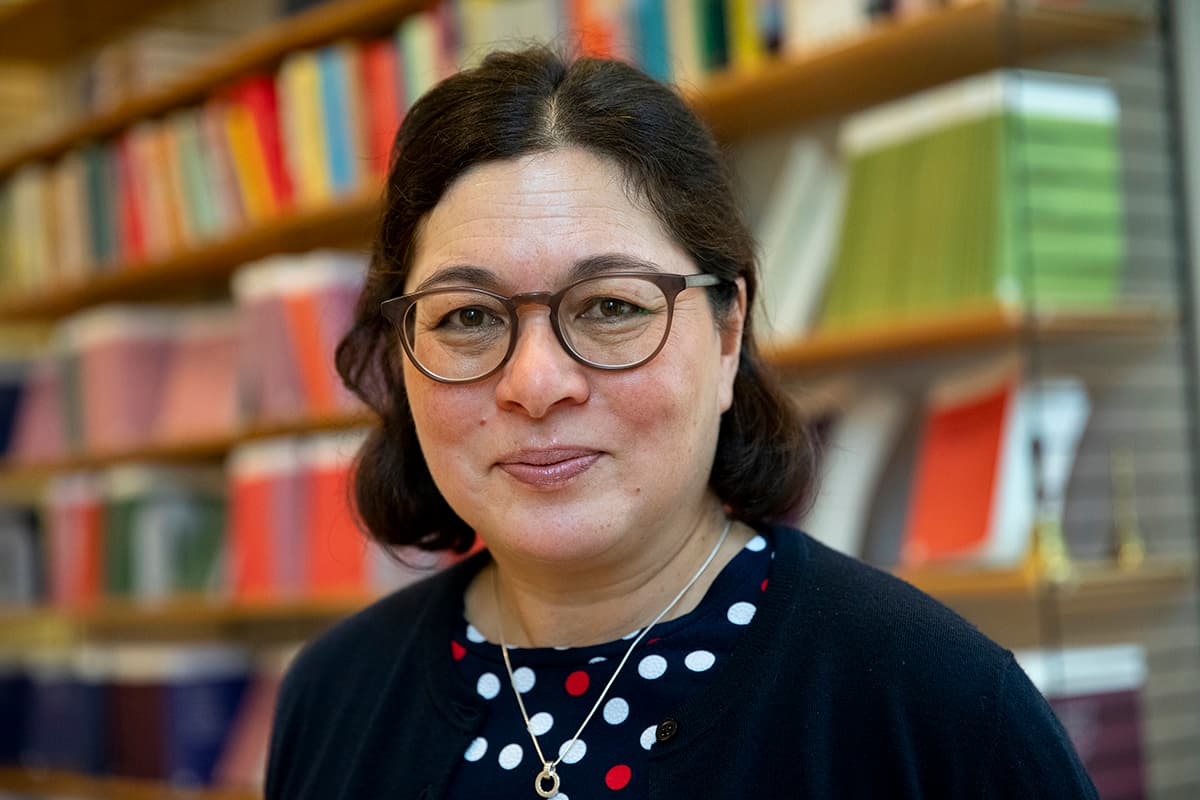
Carina Gunnarson is an associate professor of political science and an affiliated researcher at the Department of Government at Uppsala University.
Author
Carina Gunnarson





Stay updated with our latest insights, seminars and research news.