The research project “Health care in the 21st century” has focused on how to secure the supply of skilled employees and how to benefit from the potential of technological developments.
The project was launched in 2018 and ended in January 2022. The point of departure has been the changing conditions for the health care system in the form of an aging population, an increased demand for care services and significant recruitment needs. SNS has tied 11 well-qualified researchers in business administration, law, medicine, psychology and economics to the project, as well as a broad reference group, which has resulted in 8 reports and 21 seminars and workshops. The reports are listed further below on this page.
The Project in Brief
Read more about the researchers’ recommendations, lessons learned and insights made throughout the project.
Lessons Concerning the Supply of Skilled Employees
- Without qualified and motivated employees, it is not possible to address the challenges facing the health care system.
- The work environment in elderly care must be prioritized at the highest management level.
- Medical training needs to be adapted to technological developments, and the further education of specialists needs to be regulated.
The Researchers’ Recommendations Concerning Digitalization
- Develop test environments and let a legal perspective play a proactive role in the digitalization of healthcare.
- Separate people’s choice of care providers into a digital and a physical level to promote both digitalization and a person-centered approach.
- Reduce micromanagement in the reimbursement systems related to health care to improve the conditions for innovation and digital development.
The Researchers’ Recommendations Concerning Governance and Organization
- Give the state greater responsibility for the transformation, long-term financing and allocation of resources for the health care system.
- Focus regional governance on learning and innovation based on professional driving forces.
- Clarify who is responsible for the supply of hospital beds and the capacity of emergency departments.
- Strengthen the link between upper management and the people working directly in elderly care.
Contact persons

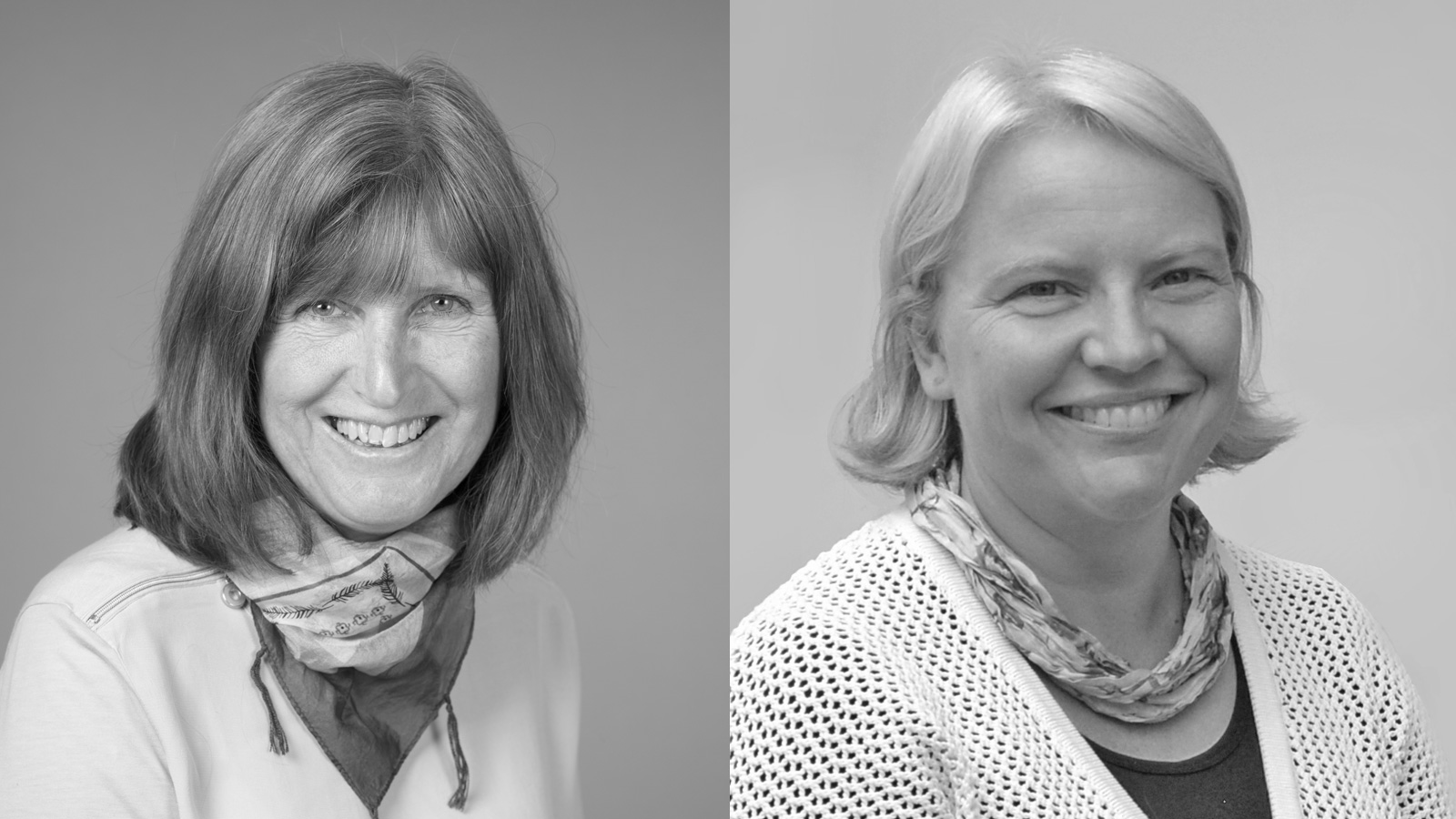
Gabriella Chirico Willstedt is Research Director and Head of Members at SNS. She holds a PhD in Economics from Uppsala University.
Research Director
Gabriella Chirico Willstedt
Reports and seminars
Completed and published
Reference group Health Care in the 21st Century
- Apoteket
- AstraZeneca
- Attendo
- Bräcke diakoni
- Frisq
- Inera
- Kry
- MedLearn
- Min Doktor
- Praktikertjänst
- Region Stockholm
- Sophiahemmet
- SOS Alarm Sverige
- Swedish Association of Health Professionals
- Swedish Association of Local Authorities and Regions
- Swedish Dental and Pharmaceutical Benefits Agency
- Swedish Heart and Lung Association
- Swedish Medical Association
- The Ministry of Health and Social Affairs
- The Swedish Agency for Innovation Systems (Vinnova)
- Västra Götalandsregionen




















More research programs
SNS Defence Economics
SNS Defence Economics aims to strengthen knowledge of defence financing, defence capabilities and economic resilience.SNS Climate
The opportunities and limitations of climate policy.The SNS Preparedness Commission
This project aims to contribute with valuable insights on how to establish and sustain socio-economically efficient preparedness.SNS Democracy Council
The SNS Democracy Council conducts research on the foundations, conditions, and development of democracy.Productivity, Competitiveness, and Sustainable Growth
How can we best ensure the development of tomorrow’s competencies?SNS Infra
How is infrastructure prioritized and financed, and how can the operation and security of these systems be organized?SNS Economic Policy Council
The SNS Economic Policy Council analyses how various key aspects of the economy function over time.Crime and Society
The project focuses on organized crime that has a major impact on society.