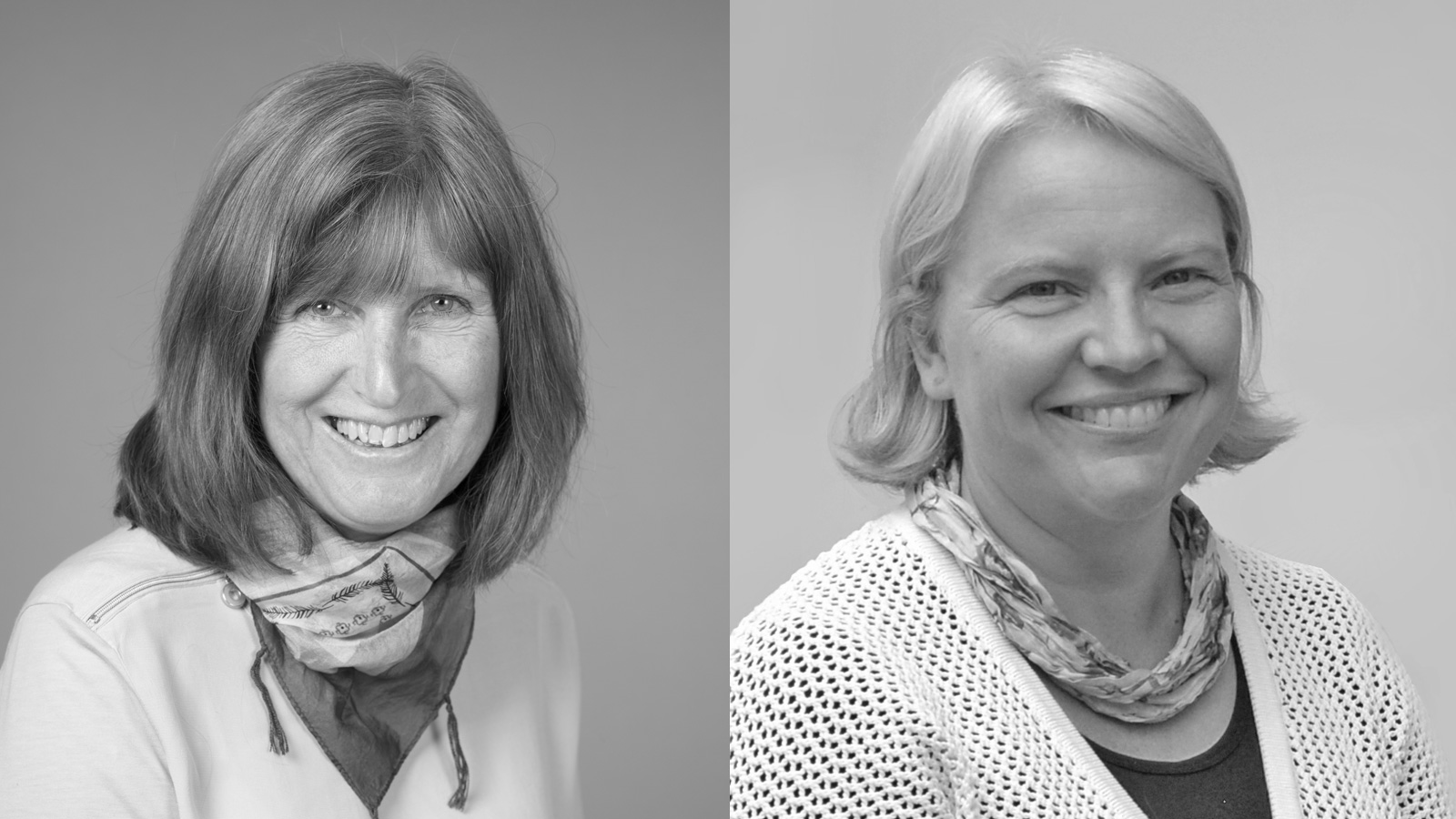
9/1/20 - The state must take greater responsibility for the necessary transformation of the healthcare sector in terms of increased person-centeredness, increased digitalisation and a strengthened primary care sector. This is argued in a new SNS report by Anders Anell, Professor at the Lund University School of Economics and Management. Among other things, he proposes increased state funding and a nationally regulated choice of healthcare provider based on two levels: one primarily consisting of digital clinics and one consisting of physical clinics targeting the elderly and others.
Swedish healthcare is world-class with regards to public health and medical results. At the same time, there are recurrent problems in terms of long waiting times, poor continuity, lack of coordination and limited person-centeredness. A fundamental problem, discussed ever since the mid-1940s, concerns the lack of resources in the primary care sector suffering from an insufficient number of general practitioners.
“Currently, there are a number of different models in place for the primary care sector, which is the result of circumstances rather than deliberate planning. The state needs to take greater responsibility for the transformation and long-term financing of the healthcare sector, rather than focusing on short-term, earmarked investments”, says Anders Anell, Professor at the Lund University School of Economics and Management.
In the SNS report “The Future Governance of Swedish Healthcare”, Anell argues that increased state funding should also have consequences in terms of governance. One example involves clearer national planning and competency management in order to offset the trend seen in recent decades with a declining proportion of general practitioners. He also proposes nationally regulating the choice of healthcare provider on the basis of two levels. The first level consists of signing up with a provider primarily offering digital healthcare services as well as physical visits when needed. The second level is offered to older individuals or after a referral and involves signing up with a physical clinic.
“Primary care centres find it difficult to address all needs, and in order to live up to accessibility requirements, certain patients may thus be excluded. Choosing healthcare provider in two steps results in both adapting to personal needs and to a person-centred approach. There are also better opportunities to develop the benefits of digital solutions, such as being readily available to a very large number of people. At the same time, it will be easier for primary care centres to prioritise medical support to the elderly care sector funded by municipalities, which is currently neglected”, says Anders Anell.
This report is published within the framework of the SNS research project Health care in the 21st century.
About the report
In the report “The Future Governance of Swedish Healthcare”, Anders Anell describes how governance in the Swedish healthcare sector has evolved over the past decades. He highlights the main problems and presents a series of recommendations on how governance at the regional and state level can be improved and how future funding should be designed to better address the challenges facing the healthcare sector. The report also contains a historical background of the challenges associated with this sector and previous attempts at addressing these.
Anders Anell
Anders Anell is Professor of Business Administration at Lund University. He serves as Chairman of the Board of the Agency for Health and Care Analysis and has previously headed the Swedish Institute for Health Economics in Lund (IHE).
Sweden has the lowest number of hospital beds per capita in Europe. In a new SNS report, researcher Björn af Ugglas shows that a shortage of hospital beds and crowded emergency departments can be associated with increased mortality. To reverse this trend, it needs to be clarified who is responsible for this lack of capacity in Swedish hospitals.
A prerequisite for addressing the problems facing the Swedish elderly care sector concerns improving the work environment. There needs to be a clearer link between top management and the employees at the facilities, in addition to fewer employees per manager. This is argued by researchers Kristina Westerberg and Maria Nordin in a new SNS report.
The number of digital health services has exploded over the last decade, while Swedish legislation has a hard time keeping up. Existing and future regulations need to be adapted to IT systems and solutions, according to law Professor Cecilia Magnusson Sjöberg in this SNS report. At the same time, however, we need to avoid overly technology-specific solutions, which tend to become obsolete quite rapidly. Instead, Magnusson Sjöberg recommends building test environments where a legal perspective plays a proactive role in creating legitimate IT solutions.
Research has consistently found that hospitals with higher patient volumes have better patient outcomes than smaller hospitals, more or less regardless of...
Older patients face medical risks as coordination between municipalities and regions is failing. Clearer central government instructions regarding these types of collaborations are necessary, according to Paula Blomqvist and Ulrika Winblad in a new SNS report.
Employees highlight great challenges in nursing homes during the pandemic. Their experiences offer important lessons for the future, according to Sara Erlandsson, Petra Ulmanen and Sara Wittzell in a new SNS report.
Trust-based governance has been introduced in several Swedish municipalities and regions. However, trust is not something that can be mandated from above, according to six researchers in the fields of work science and business administration in a new SNS report.
Swedish elderly care has undergone significant changes in recent years and is now being developed using new welfare technologies. But is this in line with what the elderly want? Without properly analyzing what the elderly want, this development risks reducing their quality of life, according to researchers Sara Olofsson and Ulf Persson in a new SNS report.
Subscribe to our Newsletter
Stay updated with our latest insights, seminars and research news.